
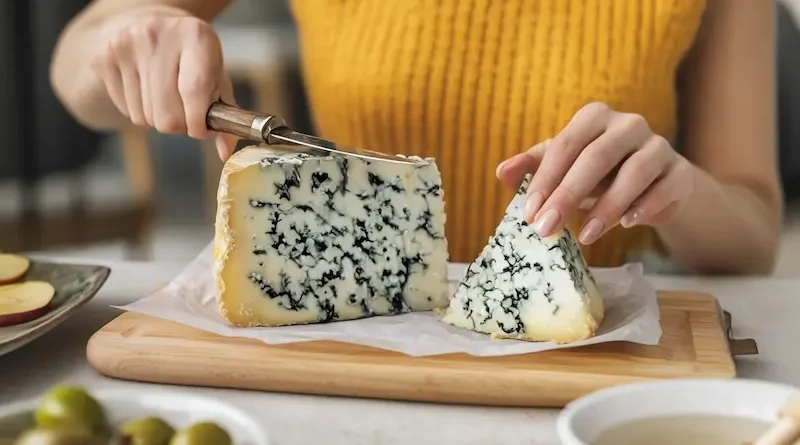
Masgonzola: The Ultimate Guide to Creamy-Blue Cheese Fusion
Masgonzola is a unique cheese fusion that combines the creamy richness of mascarpone with the bold, tangy flavors of Gorgonzola. Its versatility makes it a favorite among chefs, home cooks, and culinary enthusiasts looking to experiment with flavors, textures, and modern gourmet applications. This article will take you through everything you need to know about Masgonzola, including its technical production, sensory profile, culinary uses, storage tips, and practical guidance for both professional and home kitchens.
What is Masgonzola?
Masgonzola is a hybrid cheese created by blending Mascarpone, known for its velvety smooth texture and mild flavor, with Gorgonzola Dolce, recognized for its distinct blue veining and tangy taste. The result is a marbled, creamy-blue cheese that balances boldness and smoothness in every bite.
Key Features:
- Creamy, soft texture with subtle blue veining.
- Mildly tangy, yet rich flavor profile.
- Versatile in cooking, pairing well with fruits, nuts, wine, and bread.
The innovation behind Masgonzola lies in its fusion technique, which carefully layers and blends the two cheeses to preserve their distinct qualities while creating harmony in taste and texture.
Origin and History
While Masgonzola is a relatively recent creation, its roots lie in traditional Italian cheesemaking. Mascarpone originates from the Lombardy region, typically used in desserts such as Tiramisu, while Gorgonzola has a centuries-old history in northern Italy, known for its blue veins and distinctive tang.
Masgonzola emerged as culinary innovators sought to combine the creamy indulgence of Mascarpone with the bold characteristics of Gorgonzola, resulting in a cheese that bridges tradition and modern gastronomy. Over the past few years, it has gained popularity in upscale restaurants, artisanal cheese shops, and social media culinary trends.
Production of Masgonzola
Producing Masgonzola requires attention to detail and a controlled environment to maintain the integrity of both cheeses. Here is an overview of the production process:
Ingredients:
- High-quality Mascarpone
- Gorgonzola Dolce
- Optional starter cultures for controlled fermentation
Step-by-Step Process:
- Preparation: Ensure both cheeses are at a similar temperature to allow smooth layering.
- Layering: Alternating layers of Mascarpone and Gorgonzola are gently combined to create the marbled effect.
- Blending: Use light folding techniques to maintain the integrity of the blue veining while distributing creamy texture evenly.
- Maturation: Allow the cheese to rest under controlled refrigeration for a few days to integrate flavors.
- Packaging: Store in airtight containers to preserve freshness and prevent odor contamination.
Technical Considerations:
- Temperature control is crucial to avoid over-softening the Gorgonzola.
- Avoid over-blending, which may dilute the characteristic tang.
- Hygiene and proper refrigeration are essential for food safety.
Flavor Profile and Sensory Experience
Masgonzola offers a sophisticated sensory experience:
- Texture: Smooth, creamy, and slightly firm at room temperature. The marbled blue streaks add a subtle firmness.
- Aroma: Mild dairy scent with a gentle tang from the Gorgonzola.
- Taste: Balanced combination of rich creaminess and gentle sharpness. Slightly salty, yet approachable for all palates.
- Appearance: White creamy base interspersed with blue veining, visually striking and appetizing.
The cheese’s balanced profile allows it to complement a wide range of ingredients without overpowering them.
Culinary Uses
Masgonzola’s versatility makes it ideal for multiple culinary applications. Here are some original recipe ideas and serving suggestions:
1. Appetizers
- Masgonzola Crostini: Spread on toasted baguette slices, topped with fig jam and toasted walnuts.
- Stuffed Mushrooms: Mix Masgonzola with breadcrumbs, herbs, and garlic to fill baked mushroom caps.
2. Salads
- Pear and Masgonzola Salad: Combine fresh arugula, sliced pears, toasted pecans, and crumbled Masgonzola. Drizzle with honey vinaigrette.
- Beetroot Salad: Roasted beets, candied walnuts, and Masgonzola crumbles for a balanced sweet-tangy flavor.
3. Main Courses
- Masgonzola-Stuffed Chicken: Butterfly chicken breasts and fill with a Masgonzola-herb mixture. Bake until golden and serve with roasted vegetables.
- Pasta Sauce: Melt Masgonzola into cream to create a rich, velvety sauce for penne or fettuccine.
4. Desserts
- Masgonzola Cheesecake: Integrate Masgonzola into a traditional cheesecake recipe for a unique creamy tang.
- Fruit Pairing: Serve with figs, pears, or apples for a sophisticated cheese board experience.
5. Spreads and Dips
- Masgonzola Dip: Blend with Greek yogurt, herbs, and lemon zest for a versatile dip.
- Sandwich Spread: Combine with cream cheese and chives for sandwiches or wraps.
Pairings and Serving Suggestions
The nuanced flavor of Masgonzola pairs beautifully with a variety of foods and beverages.
- Fruits: Pears, figs, apples, and grapes enhance the creamy and tangy notes.
- Nuts: Walnuts, almonds, and pecans add crunch and earthy depth.
- Beverages: Pair with sweet white wine, light reds, or craft beers.
- Bread: Serve on crusty bread, crackers, or flatbreads for appetizers.
- Temperature: Bring to room temperature before serving to maximize flavor and aroma.
Storage and Shelf-Life
Proper storage ensures that Masgonzola maintains its quality and flavor:
- Refrigeration: Store in airtight containers or wrapped in parchment paper, then placed in a sealed bag.
- Shelf-life: Typically 7–10 days once opened; unopened, can last up to 2–3 weeks.
- Freezing: Not recommended, as texture may change.
- Handling: Use clean utensils to prevent contamination.
Nutrition and Dietary Considerations
Masgonzola is a rich cheese, so moderation is key:
- Calories: Approximately 100–120 kcal per ounce.
- Protein: Good source of dairy protein.
- Fat: Contains saturated fats; consider portion sizes.
- Sodium: Moderate, due to Gorgonzola content.
- Allergens: Contains dairy; not suitable for lactose-intolerant individuals unless lactose-free versions are available.
- Substitutions: For lighter alternatives, blend low-fat mascarpone with mild blue cheese.
Buying Guide
When purchasing Masgonzola, consider the following:
- Source: Look for artisanal producers or reputable cheese shops.
- Freshness: Check packaging date and color consistency.
- Texture: Should be creamy yet slightly firm.
- Storage: Ensure proper refrigeration during transport and at home.
- Price Range: Slightly higher than standard cheeses due to artisanal preparation and fusion process.
Masgonzola Trends in 2025
Masgonzola has been gaining popularity in modern gastronomy:
- Featured on gourmet restaurant menus as a versatile ingredient.
- Increasingly used in social media recipes and culinary challenges.
- Adopted by food bloggers for innovative home cooking.
- Emerging as a favorite in cheese platters and pairing boards.
The rising trend indicates a growing acceptance and curiosity among culinary enthusiasts, making it an excellent ingredient for experimentation.
Conclusion
Masgonzola is more than a cheese fusion; it is a culinary tool, a flavor innovation, and a trendsetting ingredient. Its combination of creamy mascarpone and tangy Gorgonzola allows chefs, home cooks, and creative enthusiasts to experiment with flavors, textures, and presentations.
By understanding its technical production, sensory profile, culinary versatility, storage, and pairing options, you can confidently incorporate Masgonzola into your kitchen. Whether you aim to create gourmet recipes, cheese boards, or innovative desserts, Masgonzola offers endless possibilities to elevate your culinary creations.
FAQs
Can I make Masgonzola at home?
Yes, but ensure you use high-quality mascarpone and Gorgonzola and maintain hygienic conditions. Follow layering and gentle blending steps carefully.
How long does Masgonzola last once opened?
Typically 7–10 days in the refrigerator when stored properly in an airtight container.
Is Masgonzola suitable for desserts?
Absolutely. Its creamy texture pairs well with fruits, chocolate, and baked goods.
Can I use Masgonzola in pasta sauces?
Yes, it melts beautifully into cream-based sauces and adds a subtle tang to pasta dishes.
How do I serve it for cheese boards?
Bring to room temperature, pair with fruits, nuts, and wine, and offer a soft knife for spreading.
Check out the rest of our site for more useful and interesting content. Thanks
